
09. 12. 2025.
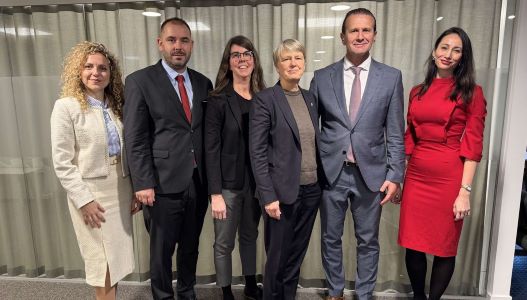
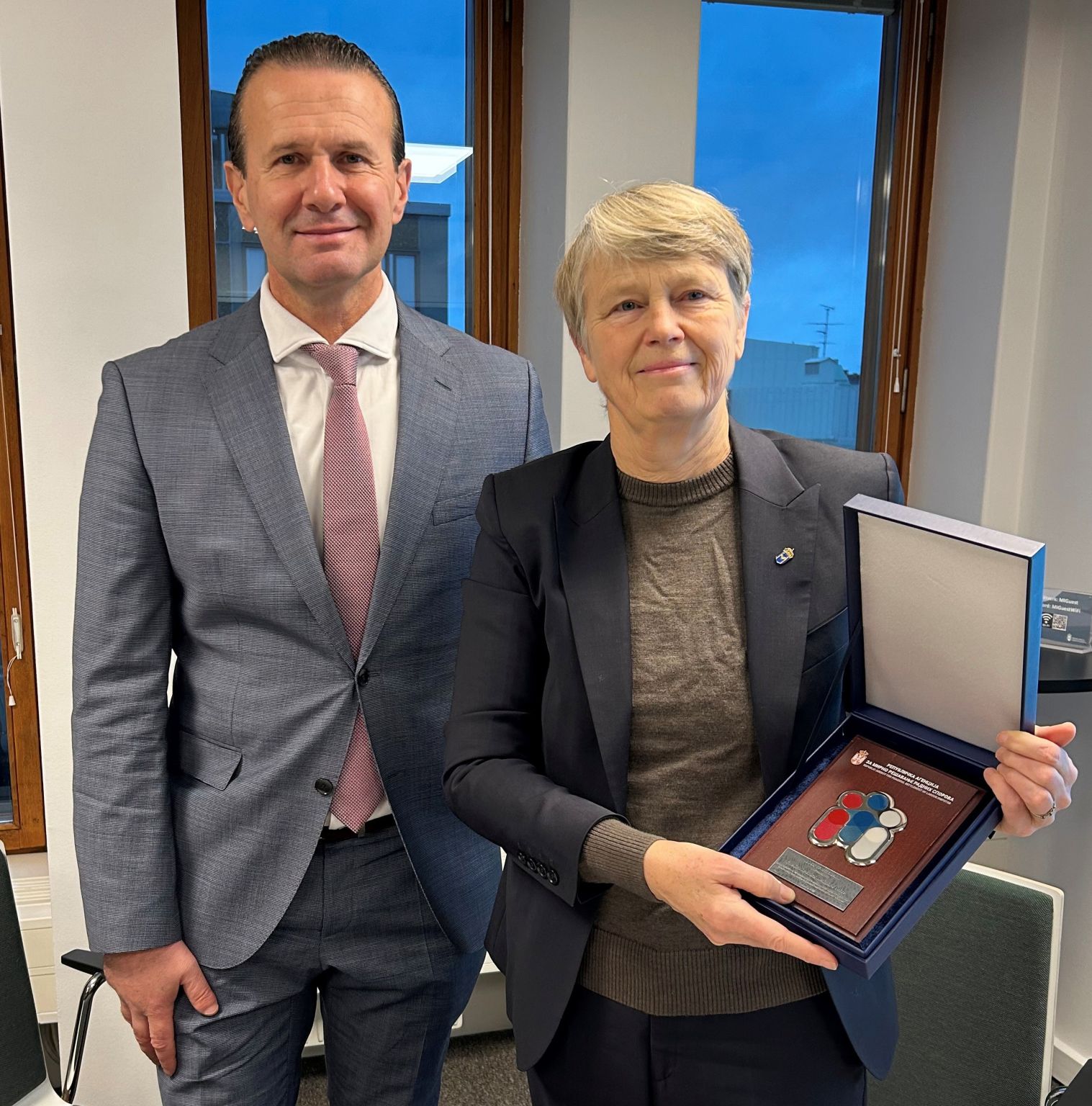
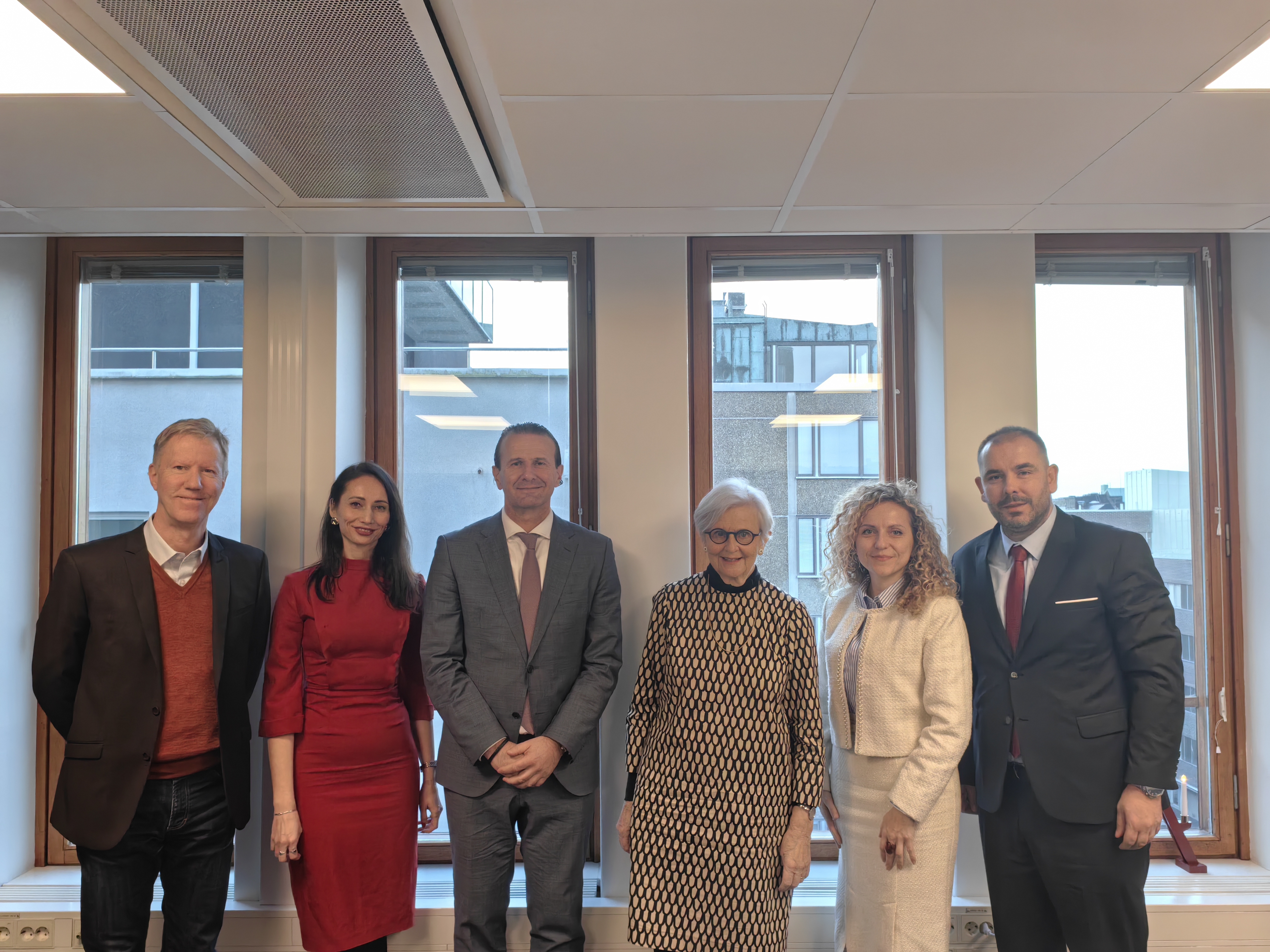
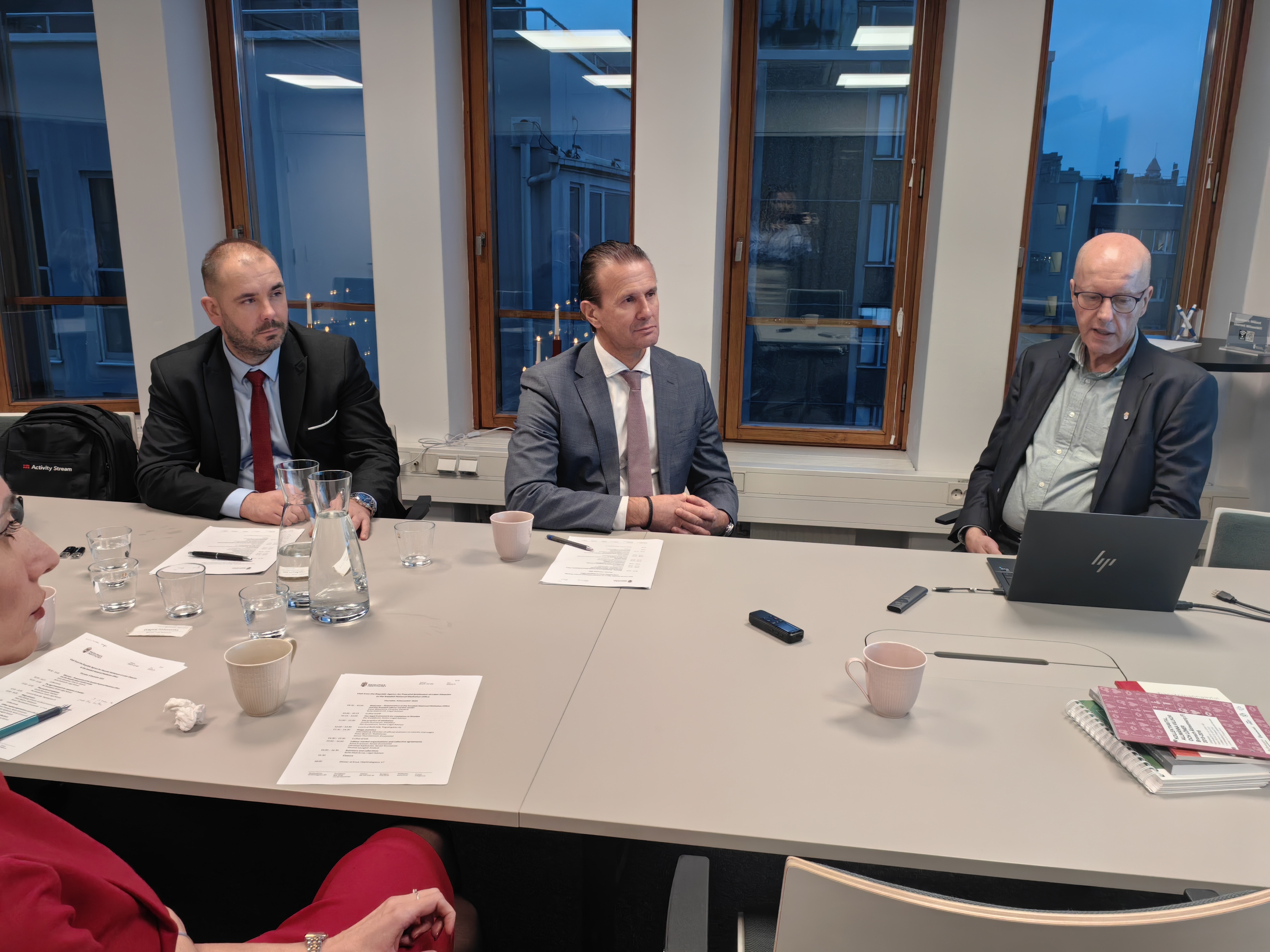
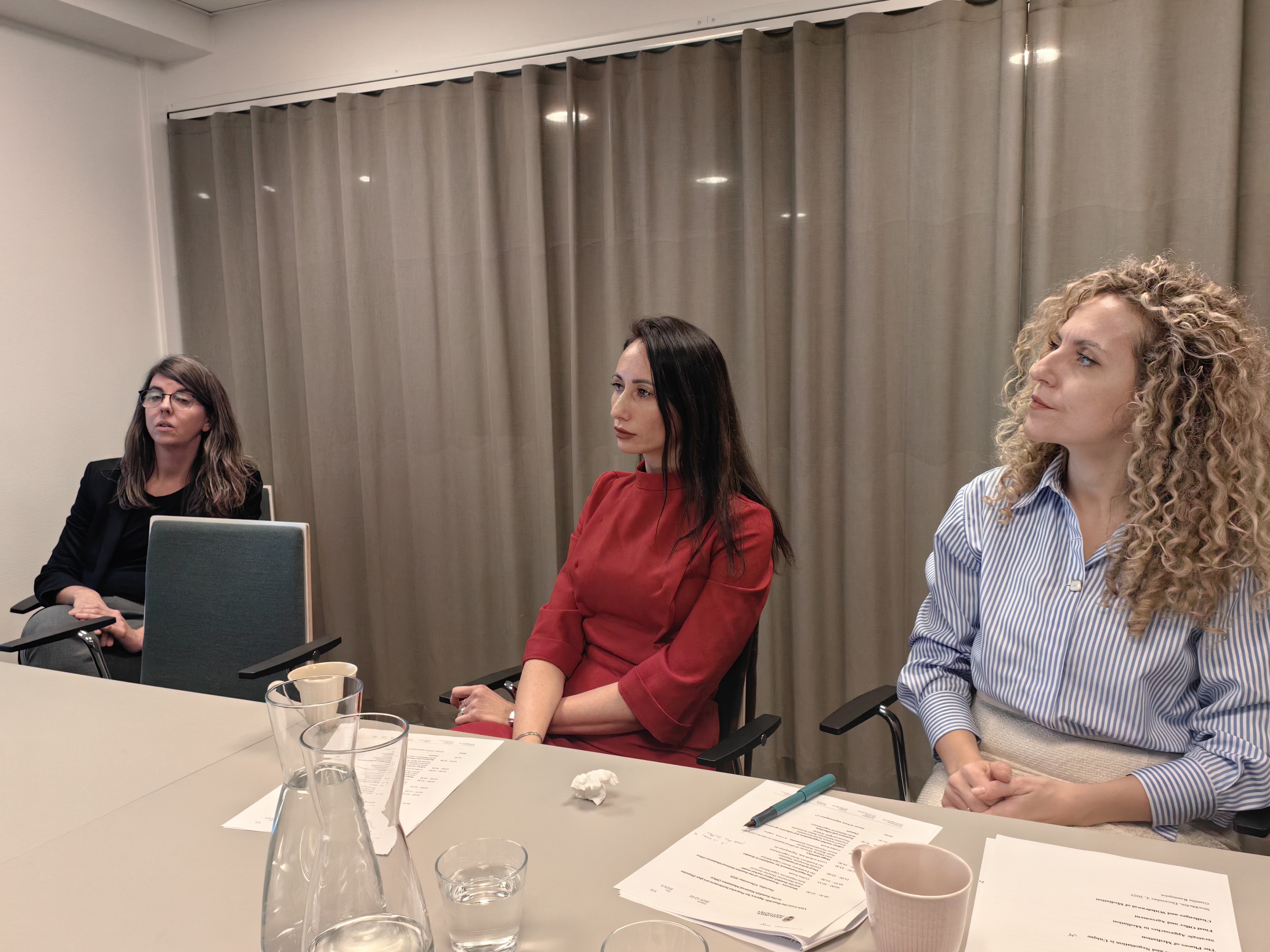
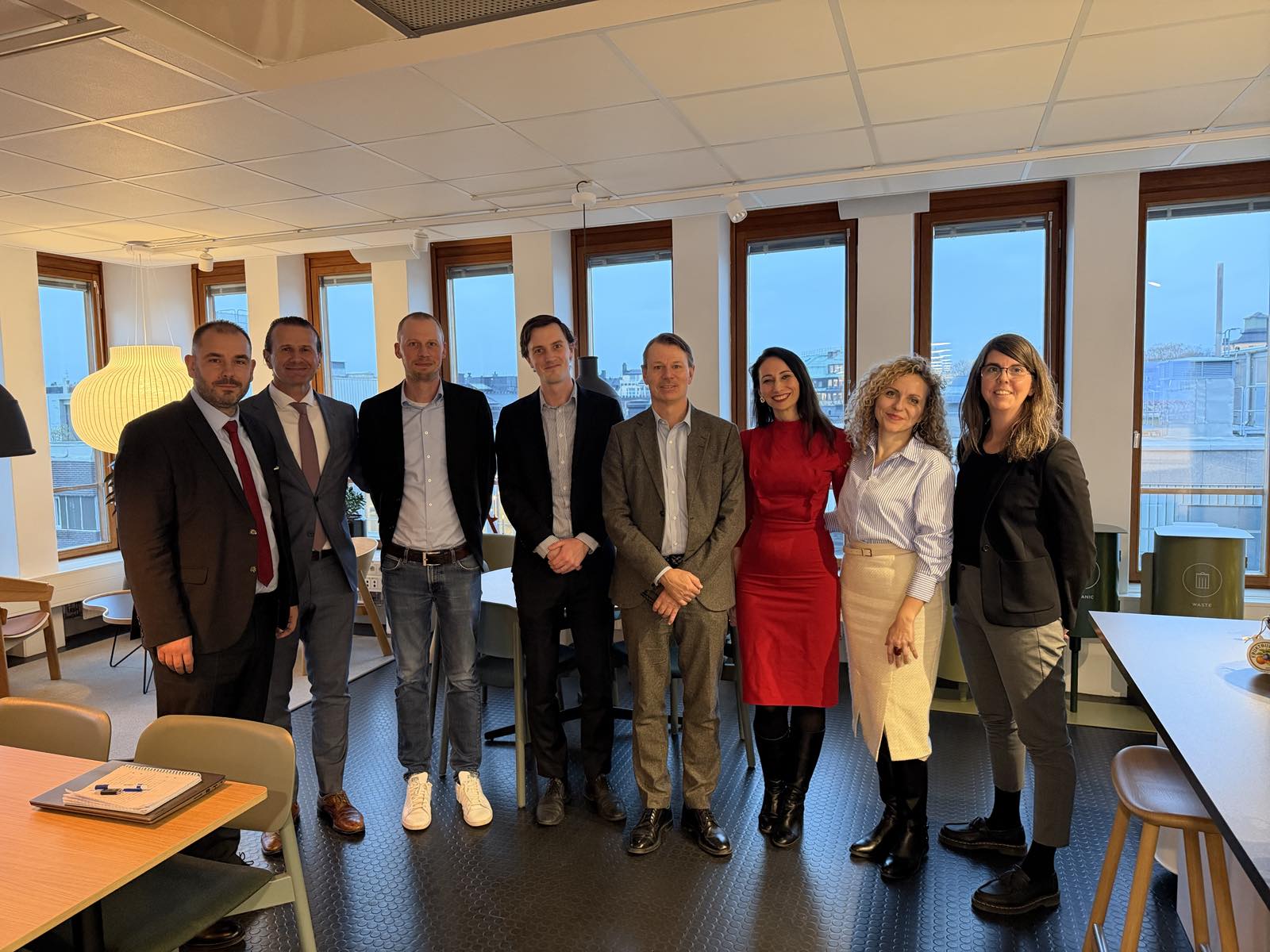
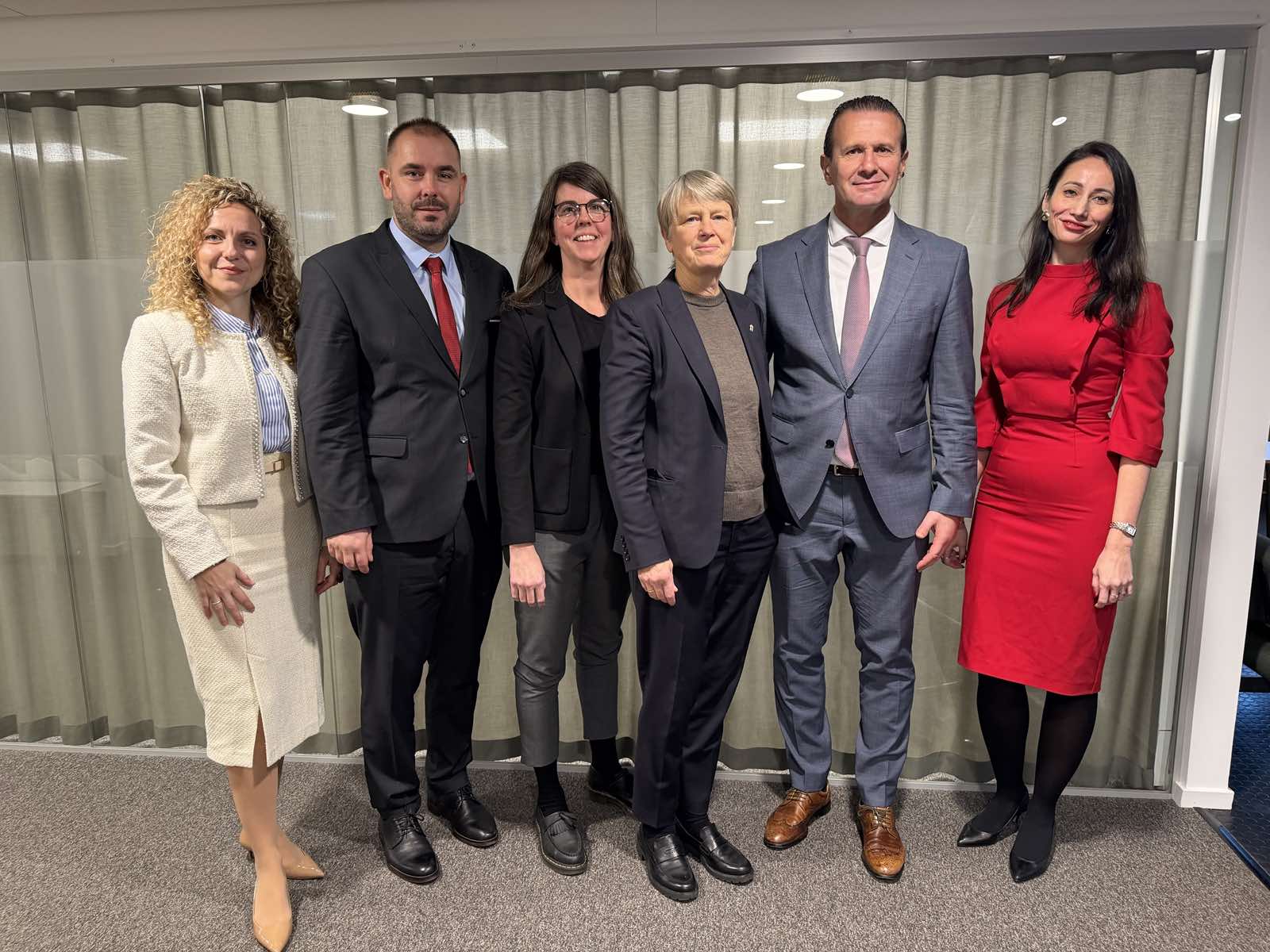
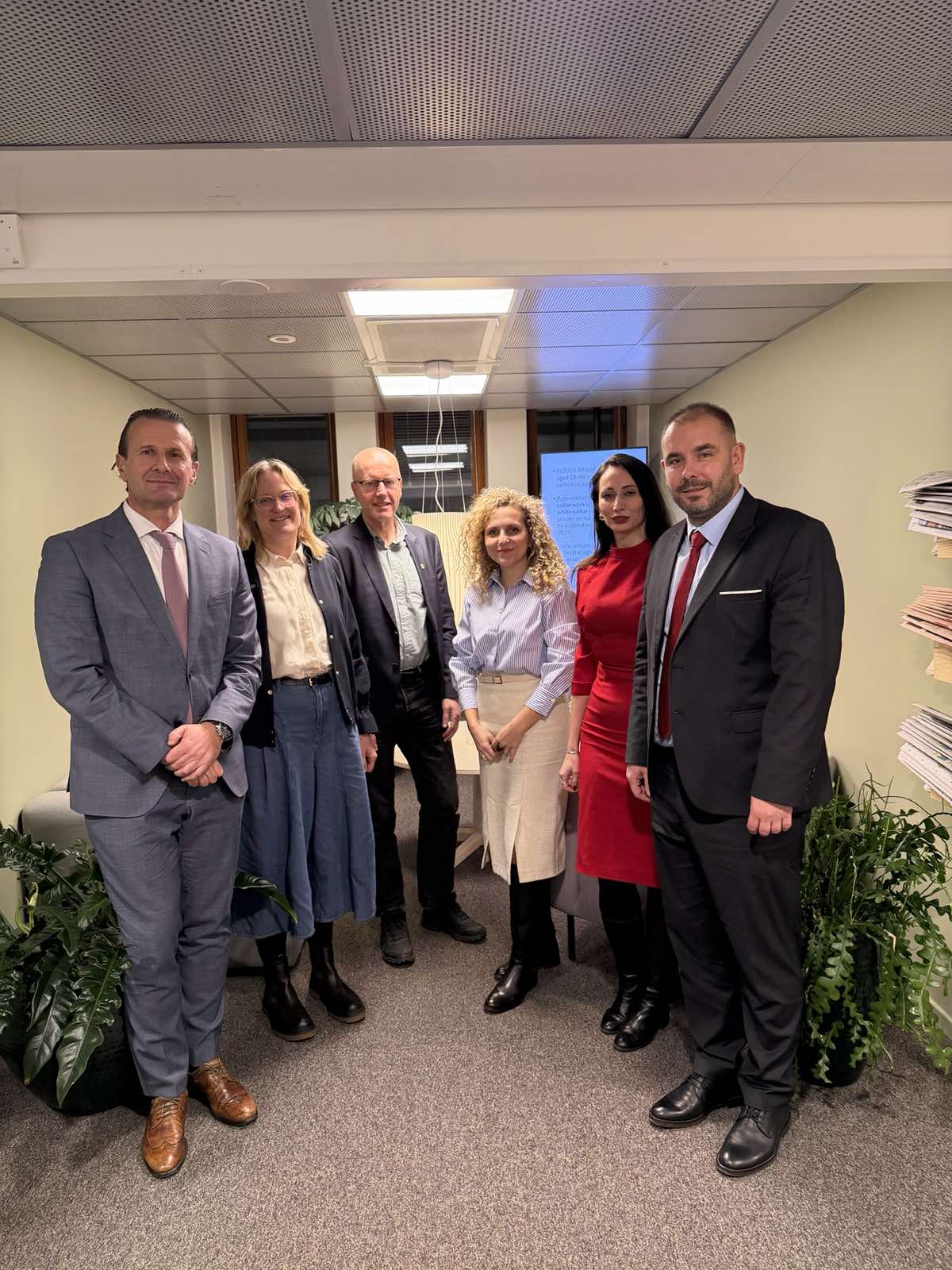
The delegation of the Republic Agency for the Peaceful Settlement of Labour Disputes paid a study visit to the Swedish National Mediation Office in Stockholm on 4 December 2025. The visit was organised with the aim of becoming acquainted with the Swedish model of work, exchanging experiences, and highlighting good practices that may contribute to the further development of the Agency’s capacities, as well as to the improvement of the system of peaceful settlement of labour disputes in the Republic of Serbia. During the visit, the Director of the Agency, Dr Ivica Lazović, presented a Certificate of Appreciation to the Swedish National Mediation Office as a token of recognition for the successful cooperation to date and for its support in the development of the practice of peaceful labour dispute resolution.
The Swedish National Mediation Office was selected as a partner due to its unique and highly successful experience in the field of labour dispute prevention, conciliation, collective bargaining, as well as its well-established model of tripartism and a high level of coordination among social partners.
The visit began with a meeting with the Director General of the Institute, Ms Irene Wennemo, and Legal Adviser Sofie Malmkvist, who presented the organisation, competencies, and key elements of the Swedish labour market model. The introductory session focused on the functioning of the labour dispute prevention system and conciliation mechanisms in cases where disputes arise, the importance of mediator independence, and the role of the Institute in maintaining stable industrial relations throughout the country.
The programme continued with a presentation by Mr Per Ewaldsson, Senior Legal Adviser, who provided a detailed overview of the legal framework for the peaceful settlement of labour disputes in Sweden. The discussion covered fundamental principles, the competencies of conciliators, and response mechanisms in cases of collective disputes, with reference to similarities and differences in comparison with the Serbian legal system.
Following the presentation of the legal framework, a session dedicated to practical examples was held, led by Ms Gunilla Runnquist, a conciliator with extensive professional experience, and Mr Per Ewaldsson. The delegation had the opportunity to become familiar with concrete procedures, the working methodology of Swedish conciliators, the challenges they face, communication techniques used in working with the parties to a dispute, and the tools applied in everyday practice.
Particular attention was drawn to the presentation on wage statistics, delivered by Mr John Ekberg, Director of Official Wage and Salary Statistics at the Institute, together with Statistician Mr Peter Beijron and Economist Mr Simon Thorstensson. The presentation covered existing statistical data, data collection and processing procedures, and the application of this information in collective bargaining processes, which is of particular importance when considering the enhancement of the Agency’s analytical capacities.
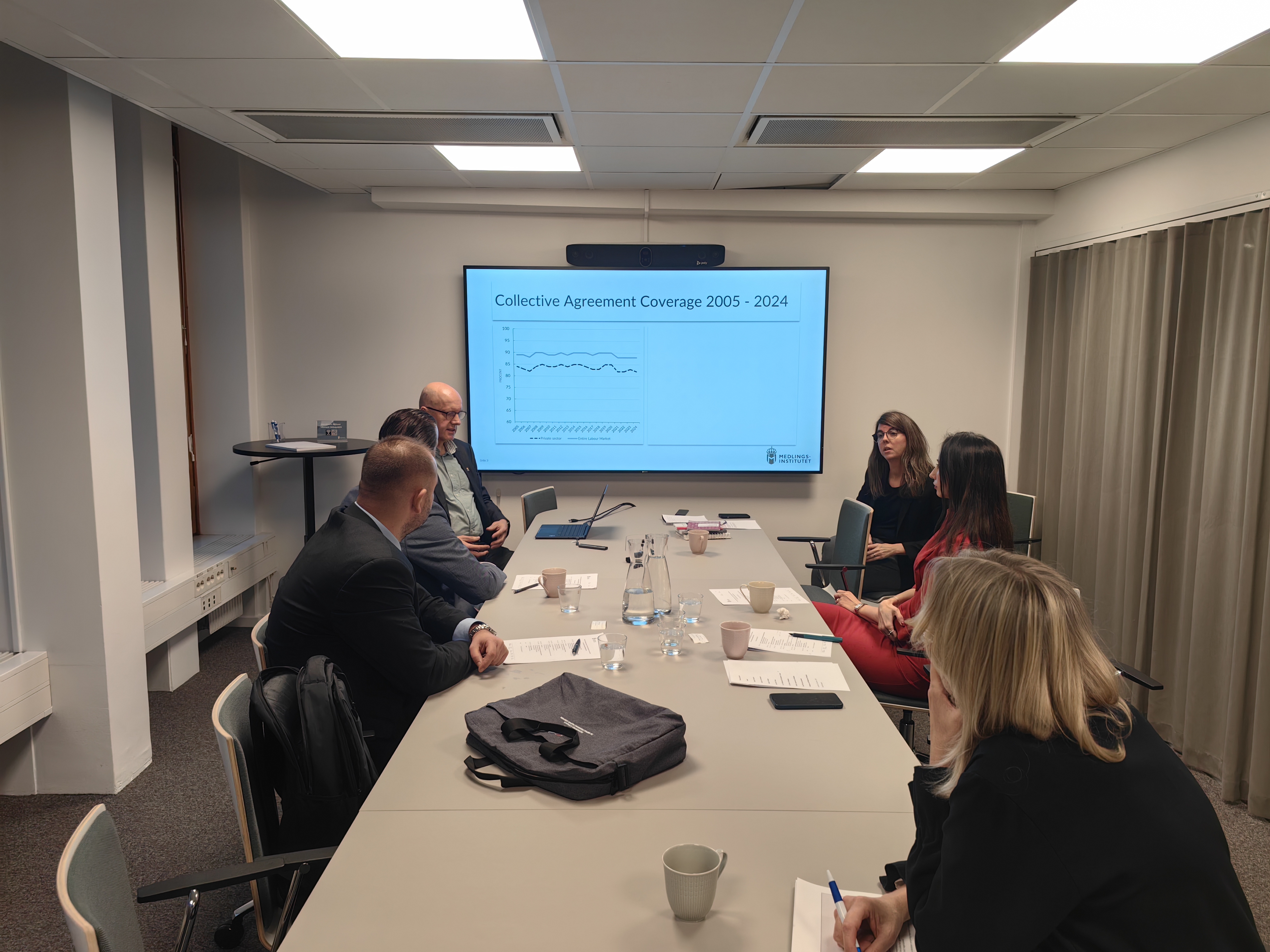
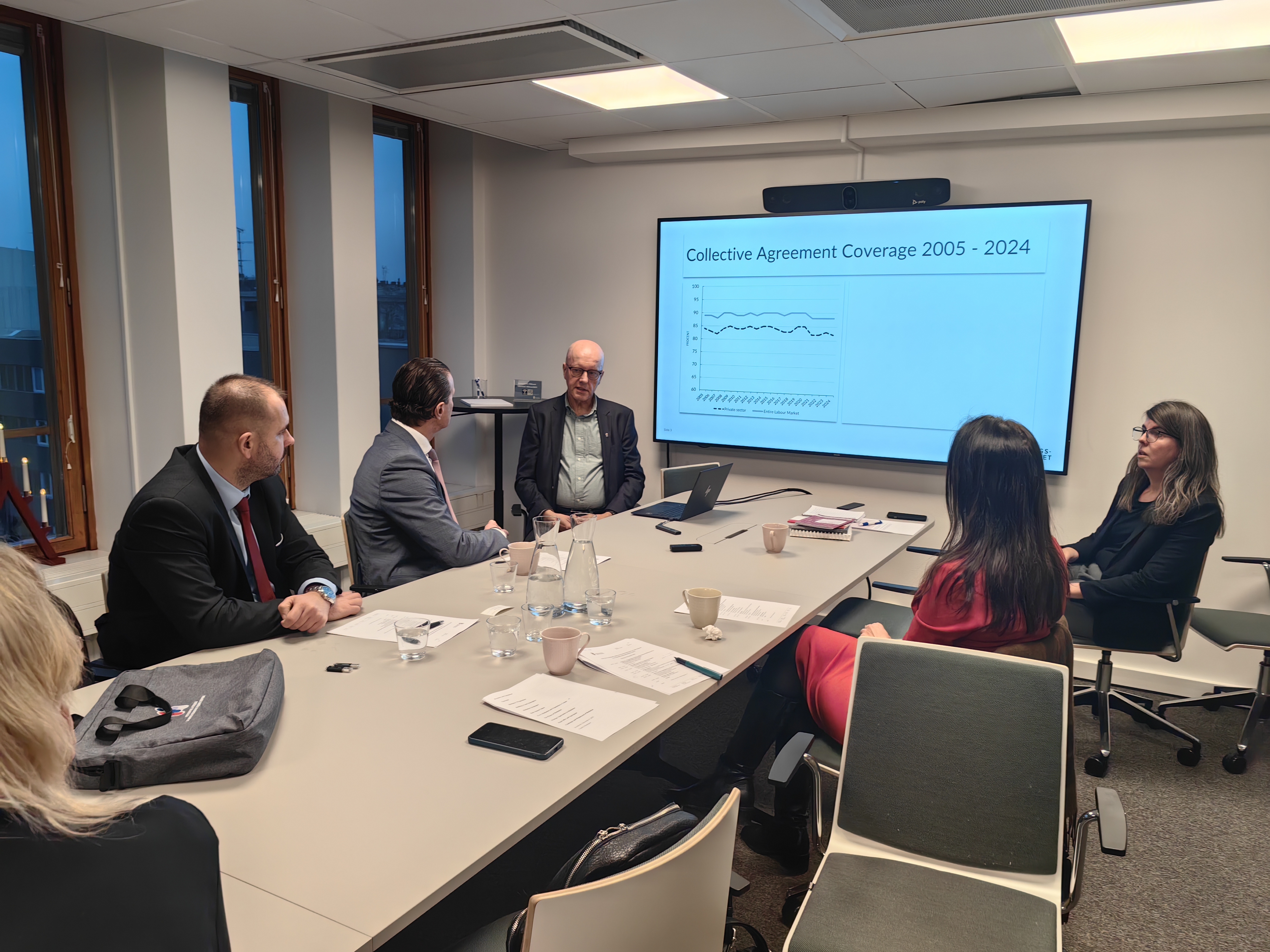
In the afternoon, a highly significant session was held on labour market organisation and collective agreements, which provided concrete guidance for possible improvements in the work of the Agency. Special emphasis was placed on the manner in which the Swedish National Mediation Office maintains comprehensive records of all collective agreements in the country, a practice that has proven to be a key instrument in supporting stable social dialogue and effective collective bargaining. Ms Anna Fransson, Senior Economist, together with Mr Thomas Ljunglöf and Ms Sofie Malmkvist, presented the role of the Institute in analysing collective agreements, mechanisms for monitoring collective agreements, and models that may serve as valuable reference points for strengthening institutional capacities in Serbia.
Members of the delegation included the Director of the Agency, Dr Ivica Lazović, who introduced the hosts to the Agency’s practice and organisational structure, Dragana Andonovska, Head of the Legal Affairs Unit, and Agency advisers Miloš Prokić and Jelena Golubović.
This study visit represents an important step in strengthening cooperation with Swedish institutions and provides a solid foundation for further enhancing the capacities of the Republic Agency for the Peaceful Settlement of Labour Disputes. The experiences gained and practices exchanged will be of great importance for the continued development of labour dispute prevention systems, conciliation processes, and the promotion of a culture of social dialogue in the Republic of Serbia.