

09. 03. 2026.
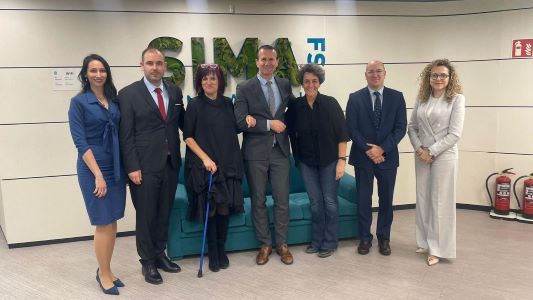
At the invitation of the Spanish Foundation of the Interconfederal Service for Mediation and Arbitration (Foundation Servicio Interconfederal de Mediación y Arbitraje Foundation – SIMA-FSP), the Republic Agency for the Peaceful Settlement of Labour Disputes visited this institution in Madrid from 3 to 4 March. The visit was organized with the aim of exchanging experiences, strengthening institutional cooperation, and becoming acquainted with models for the prevention and resolution of collective labour disputes within the Spanish system of industrial relations.
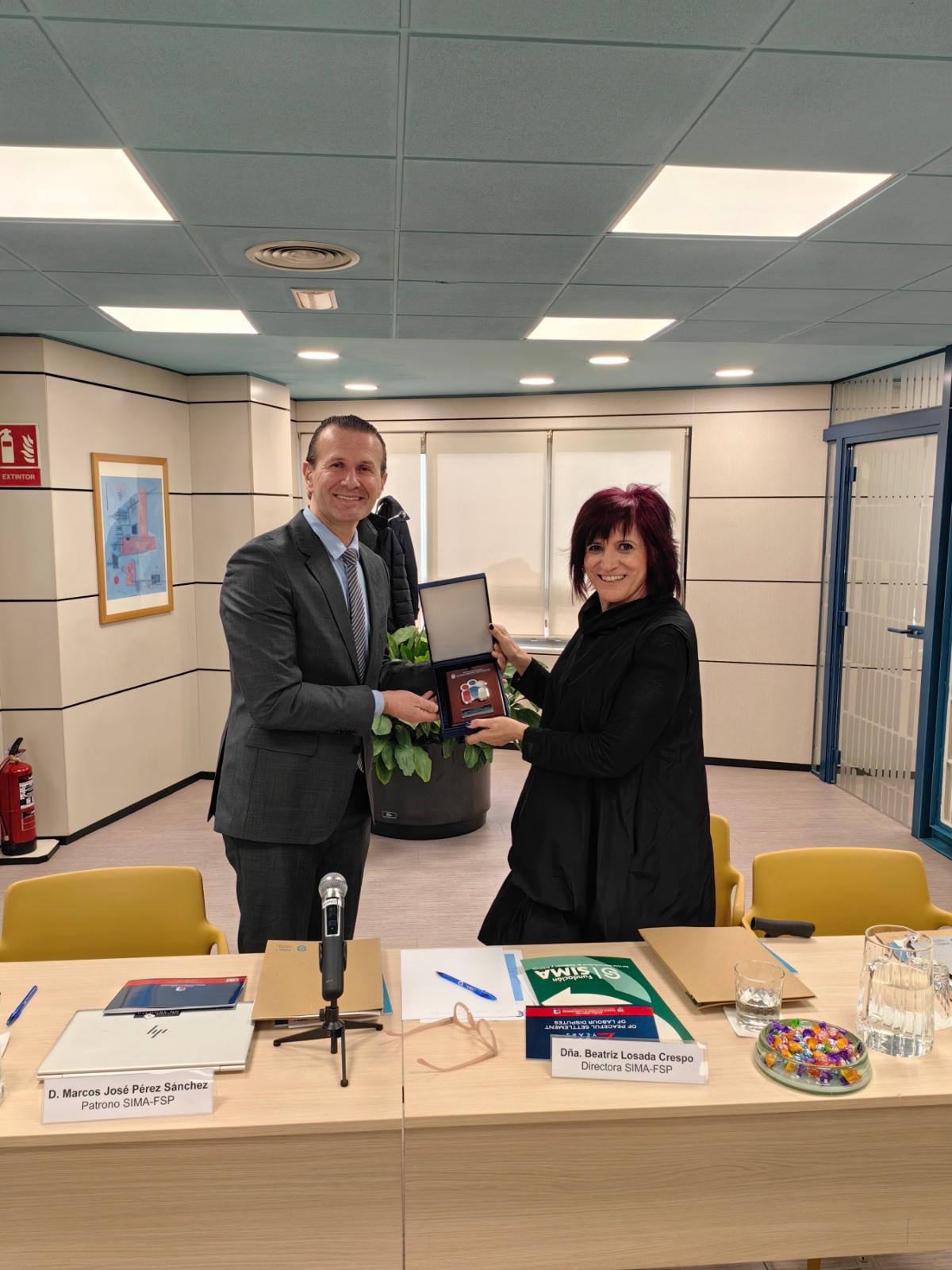
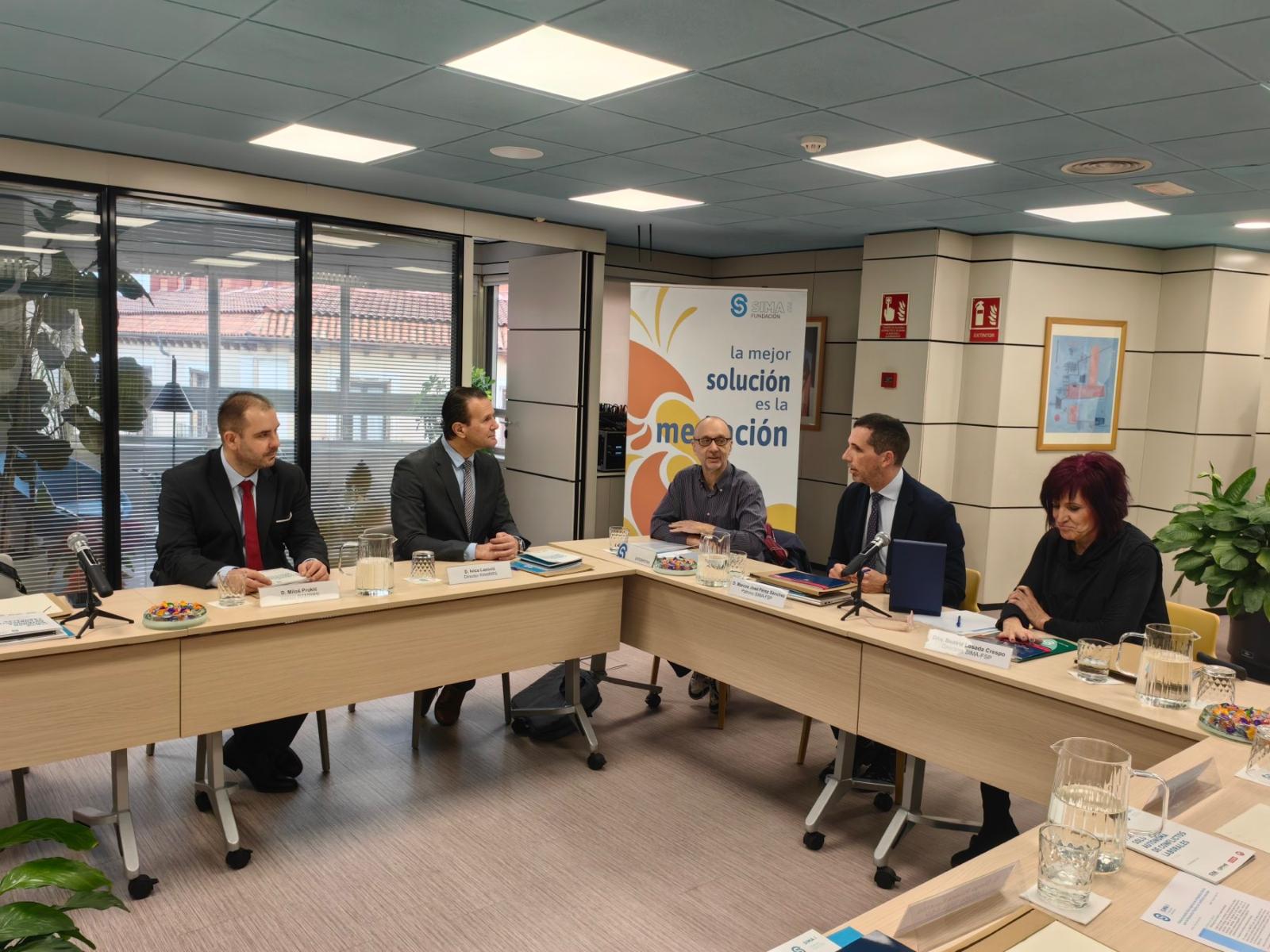
Opening remarks at the beginning of the programme were delivered by the Director of SIMA-FSP, Beatriz Losada Crespo, a representative of the Ministry of Labour, Mr. Marcos José Pérez Sánchez, and the Director of the Republic Agency for the Peaceful Settlement of Labour Disputes, Dr. Ivica Lazović. Dr. Lazović presented the competences, organization, and achievements of the Agency in the Republic of Serbia, as well as the development of the system of peaceful labour dispute resolution in the country. The practical experience and competences of SIMA-FSP were also presented by Eva Ruiz Colomé and Diego Rubiera.
During the first working day, representatives of the SIMA-FSP legal service presented the stages of the mediation procedure, communication techniques with the parties to a dispute, methods for facilitating dialogue, and tools used to overcome deadlocks in negotiations. Special attention was devoted to managing high-conflict situations, as well as to concrete examples from SIMA-FSP practice.
Within the programme, the preventive role of the institution in the system of peaceful labour dispute resolution was also discussed, including mechanisms for the early identification of potential disputes and advisory support to social partners aimed at preventing escalation and strengthening social dialogue. Procedures applied in situations where a strike has been announced or is already underway were also presented, as well as the role of mediation as a mandatory step in resolving disputes that may lead to a strike.
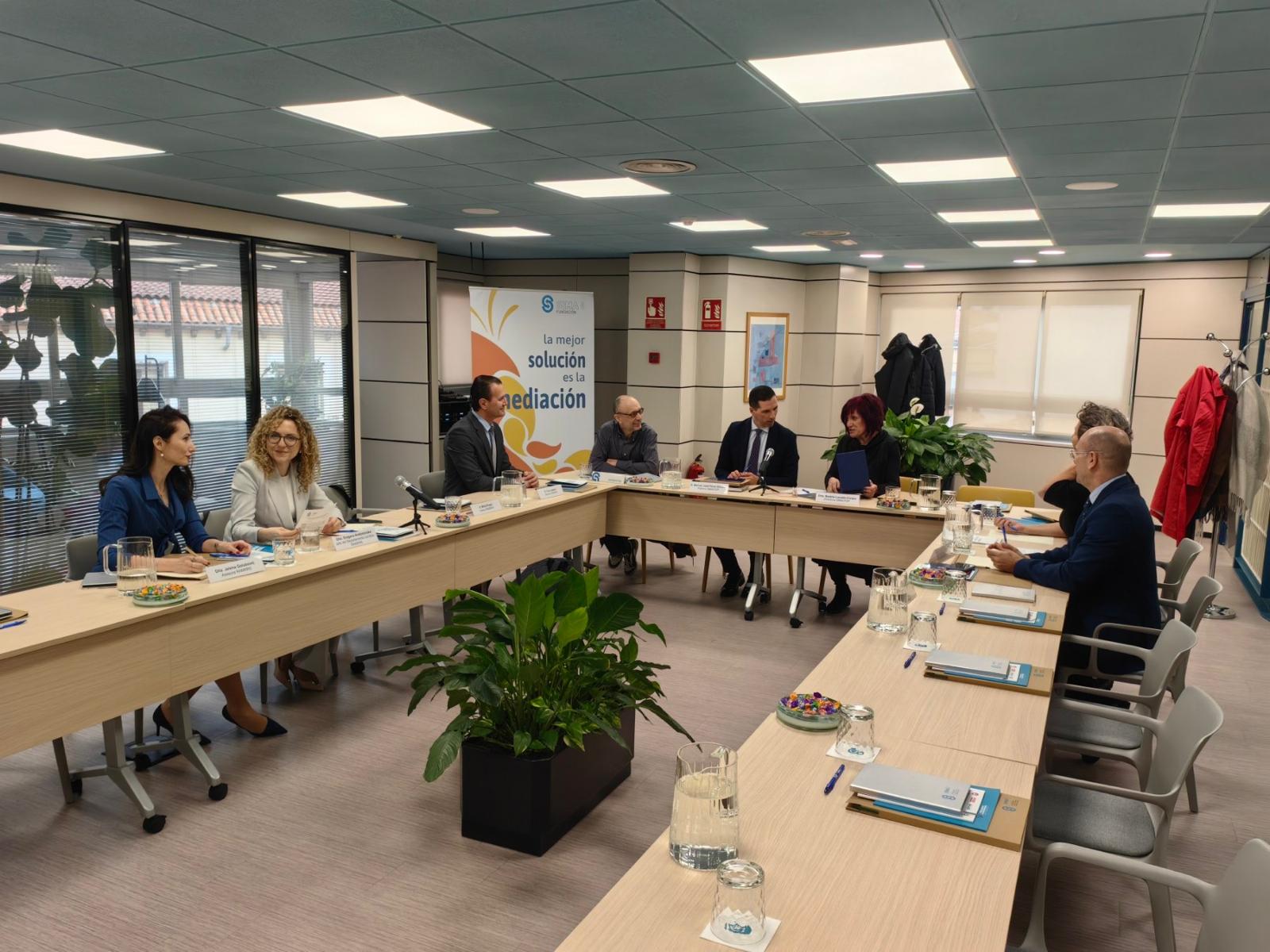
On the second day of the visit, members of the Supervisory Committee responsible for monitoring the implementation of the ASAC Agreement (Agreement on Autonomous Resolution of Labour Disputes) presented the legal and institutional framework of SIMA-FSP, its position within the Spanish system of labour relations, as well as its relations with public administration and social partners. Representatives of Spanish social partners (Administración General del Estado – General State Administration, Confederación Española de Organizaciones Empresariales – Spanish Confederation of Employers’ Organizations, Confederación Española de la Pequeña y Mediana Empresa – Spanish Confederation of Small and Medium-Sized Enterprises, Comisiones Obreras – Workers’ Commissions, and Unión General de Trabajadores – General Union of Workers) attended the meeting.
During the meeting with the Director of the institution, the practice of mediation in collective labour disputes of cross-sectoral or interregional importance was presented in greater detail, as well as the role of SIMA-FSP in situations of deadlock in collective bargaining. The discussion also addressed the system of arbitration, its legal nature, the conditions for initiating proceedings, and the relationship between mediation and arbitration within the Spanish system of peaceful labour dispute resolution.
A special segment of the programme was devoted to the selection, status, and training of mediators and arbitrators, including criteria for appointment, programmes of initial and continuous training, as well as quality-control mechanisms and ethical standards that guarantee impartiality in proceedings.
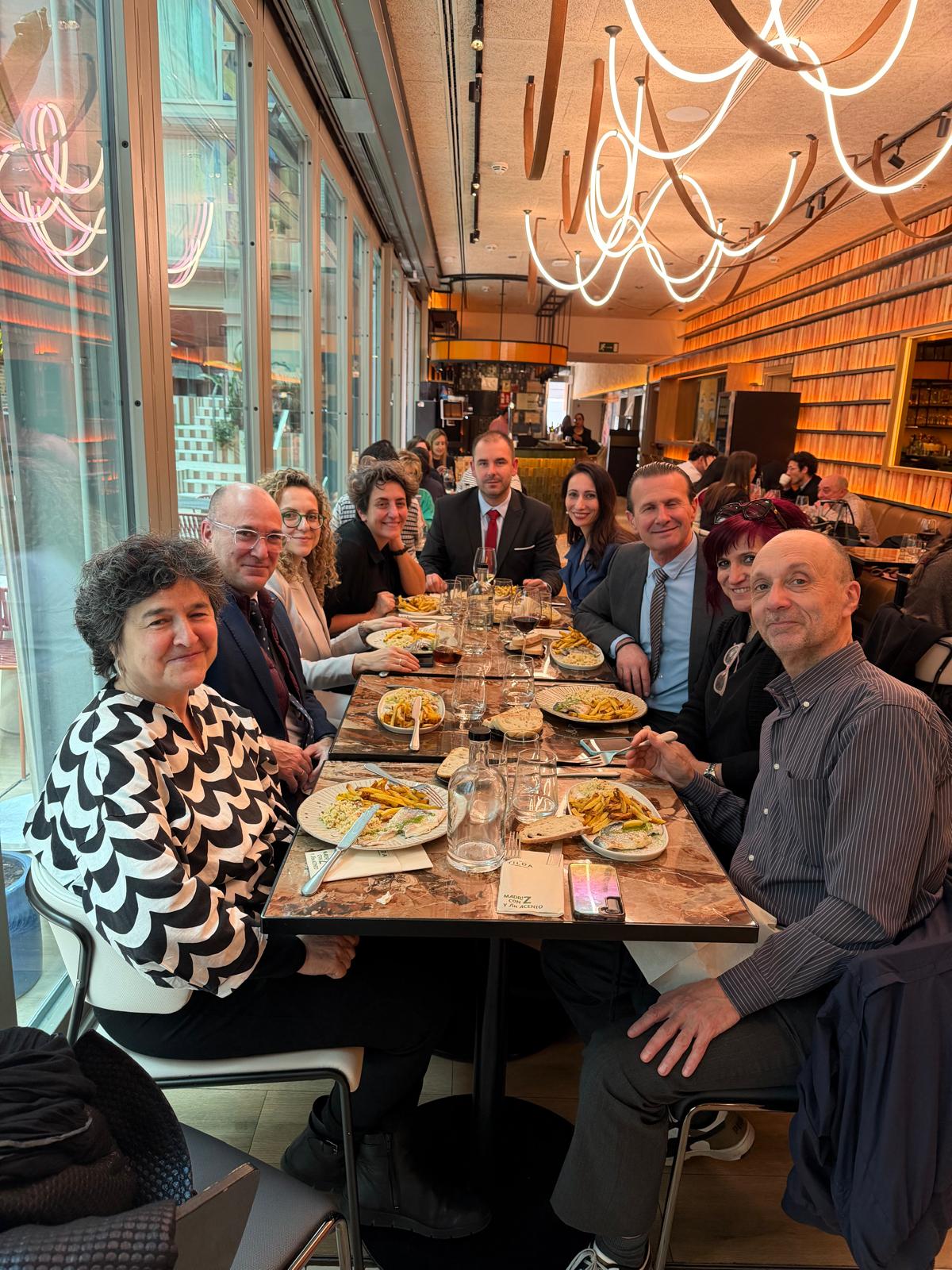
This visit enabled an exchange of experiences and good practices between two institutions that play an important role in strengthening social dialogue and improving the system of peaceful labour dispute resolution. On this occasion, particular emphasis was placed on the importance of preventive action and cooperation with social partners as key mechanisms for the timely resolution of disputes and the prevention of their escalation.