
11. 12. 2025.
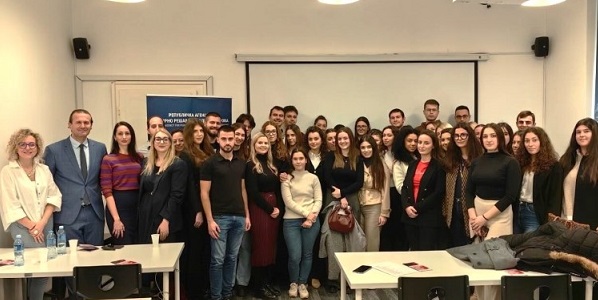
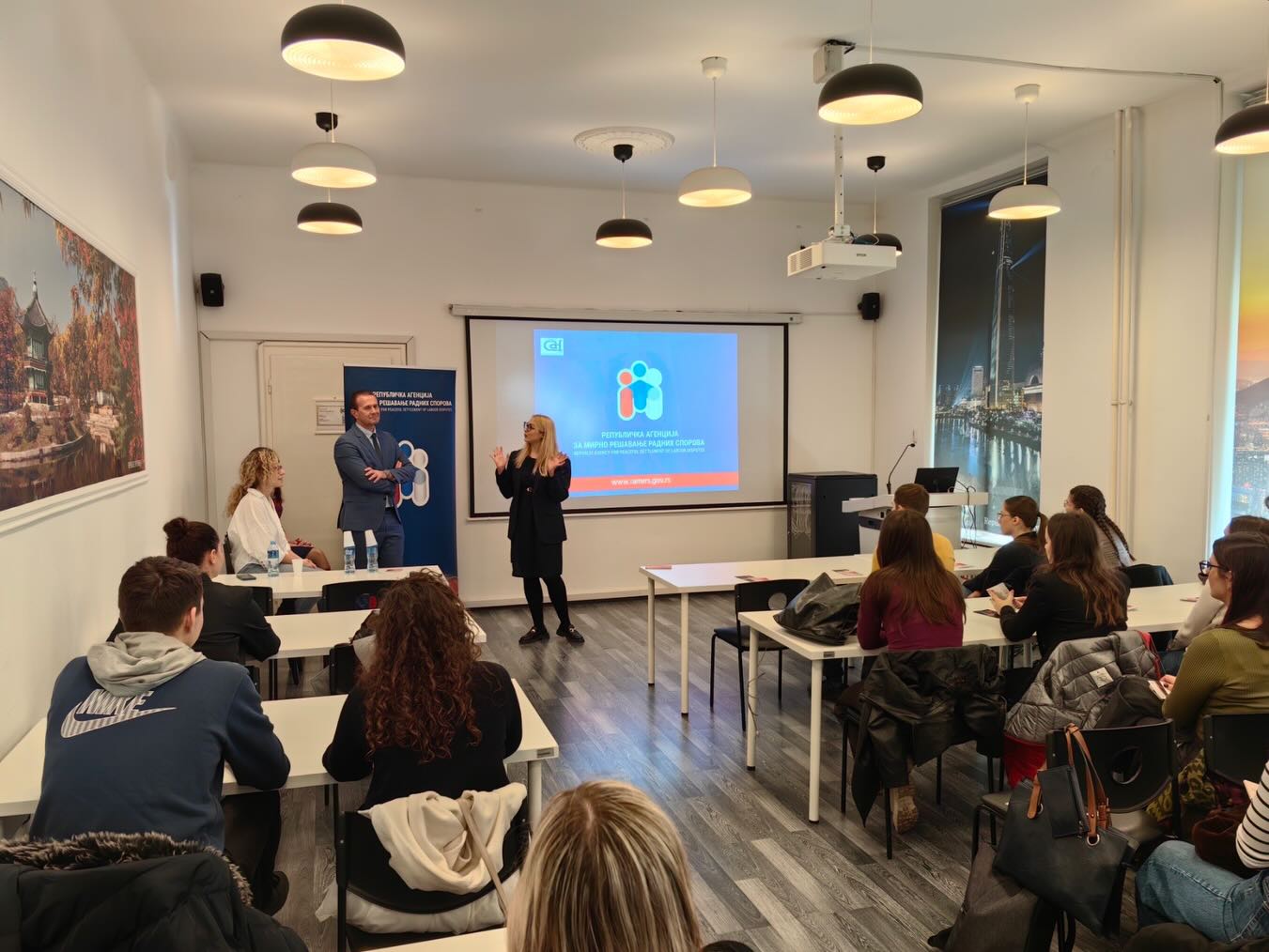
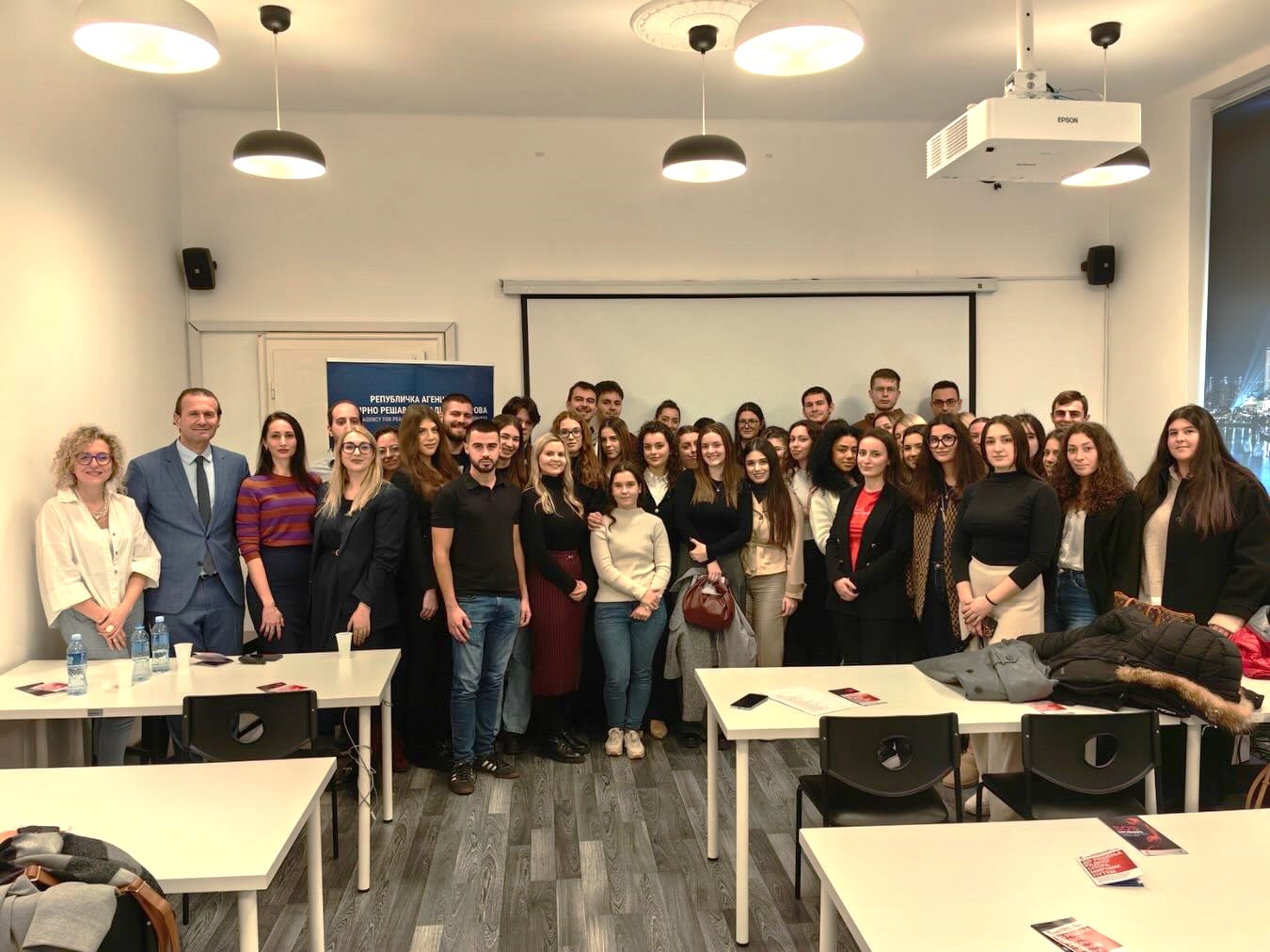
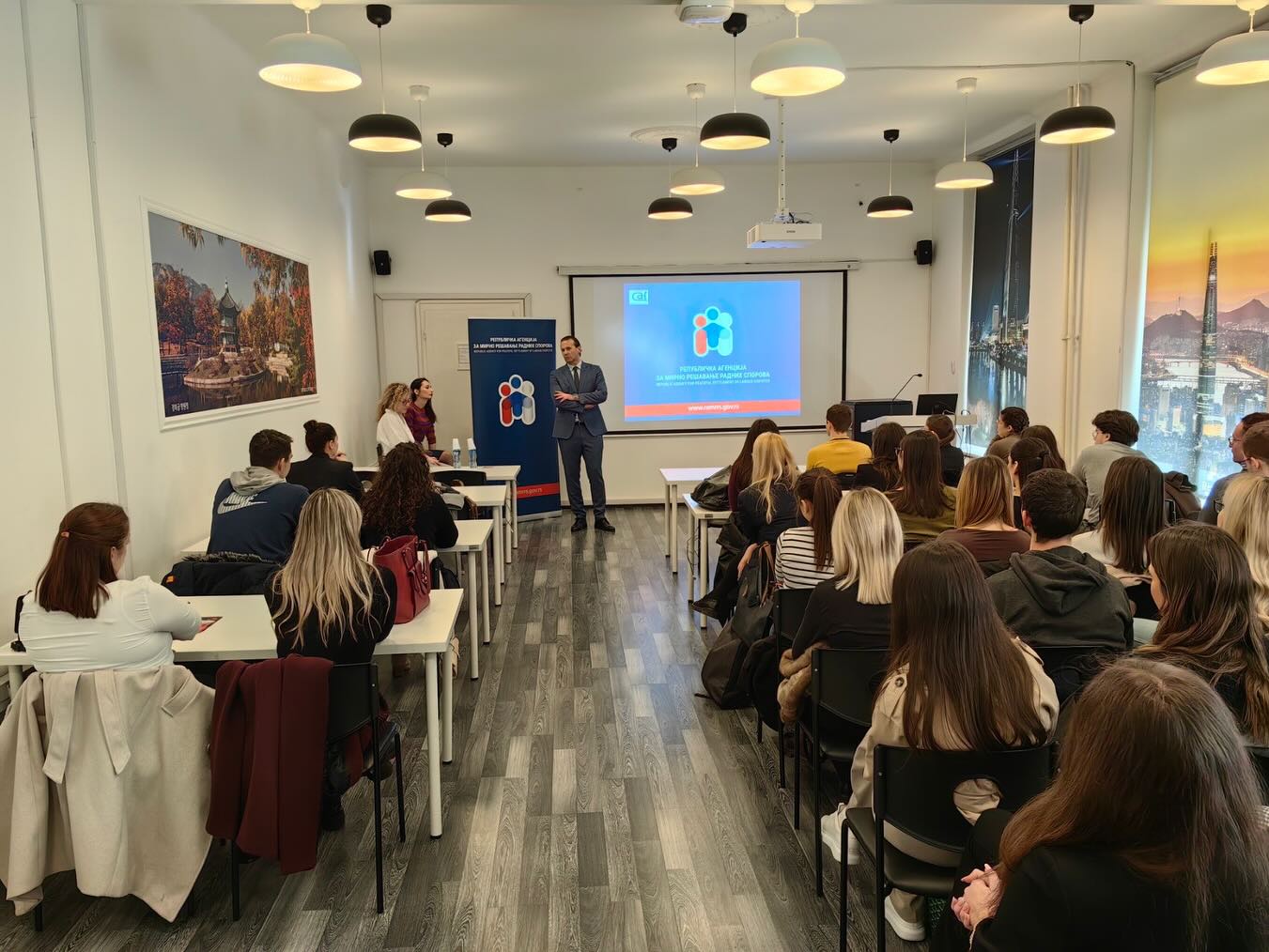
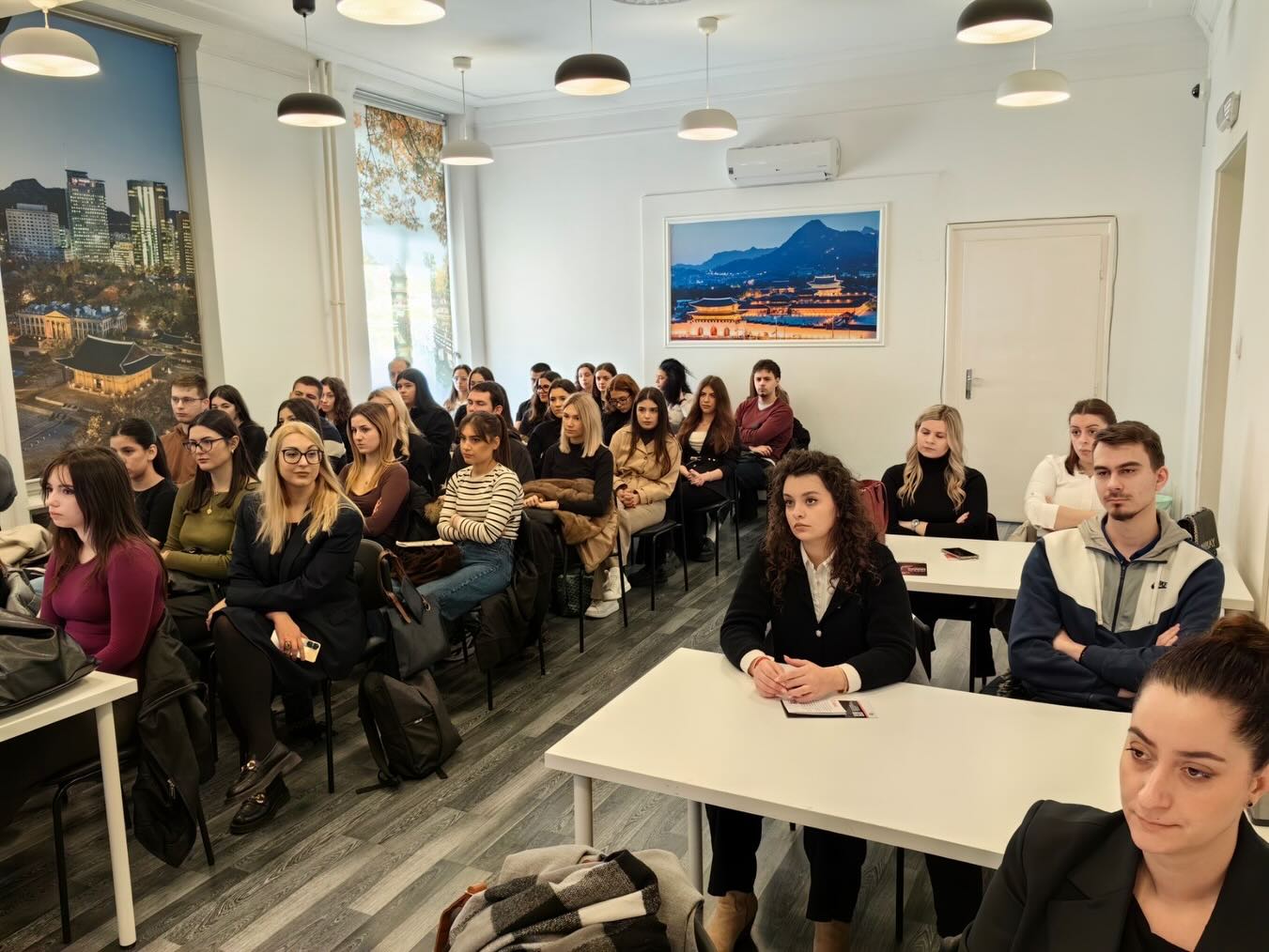
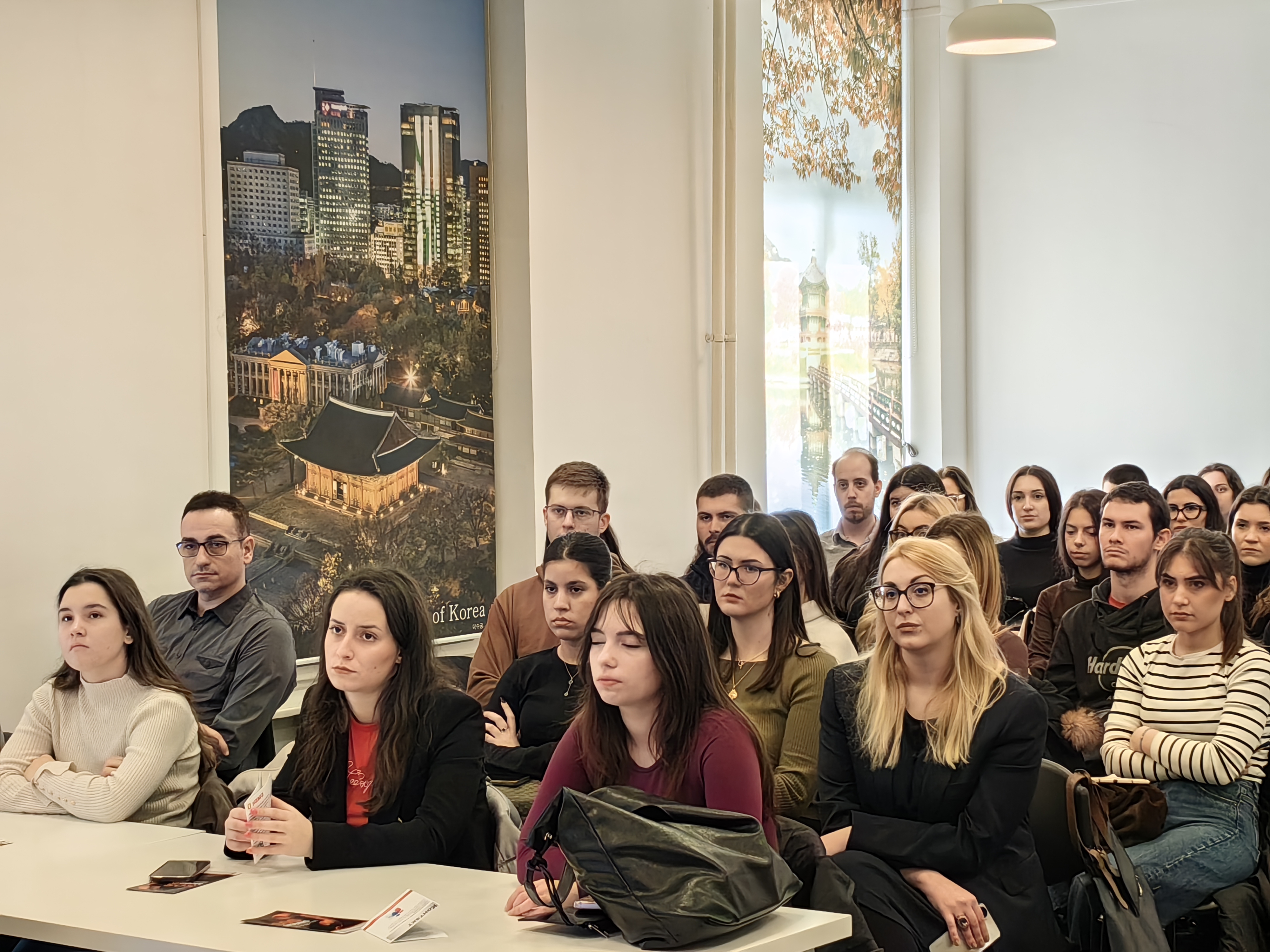
The Republic Agency for the Peaceful Settlement of Labor Disputes once again this year hosted the traditional visit of final-year students of the Faculty of Law of the University of Belgrade, who attend the Labor Law course. The visit took place on 10 December 2025 at the Serbian–Korean Information and Access Center (SKIP Center), within the framework of the Cooperation Agreement between the Agency and the Faculty of Law. The students were accompanied by Teaching Assistant Mina Kuzminac.
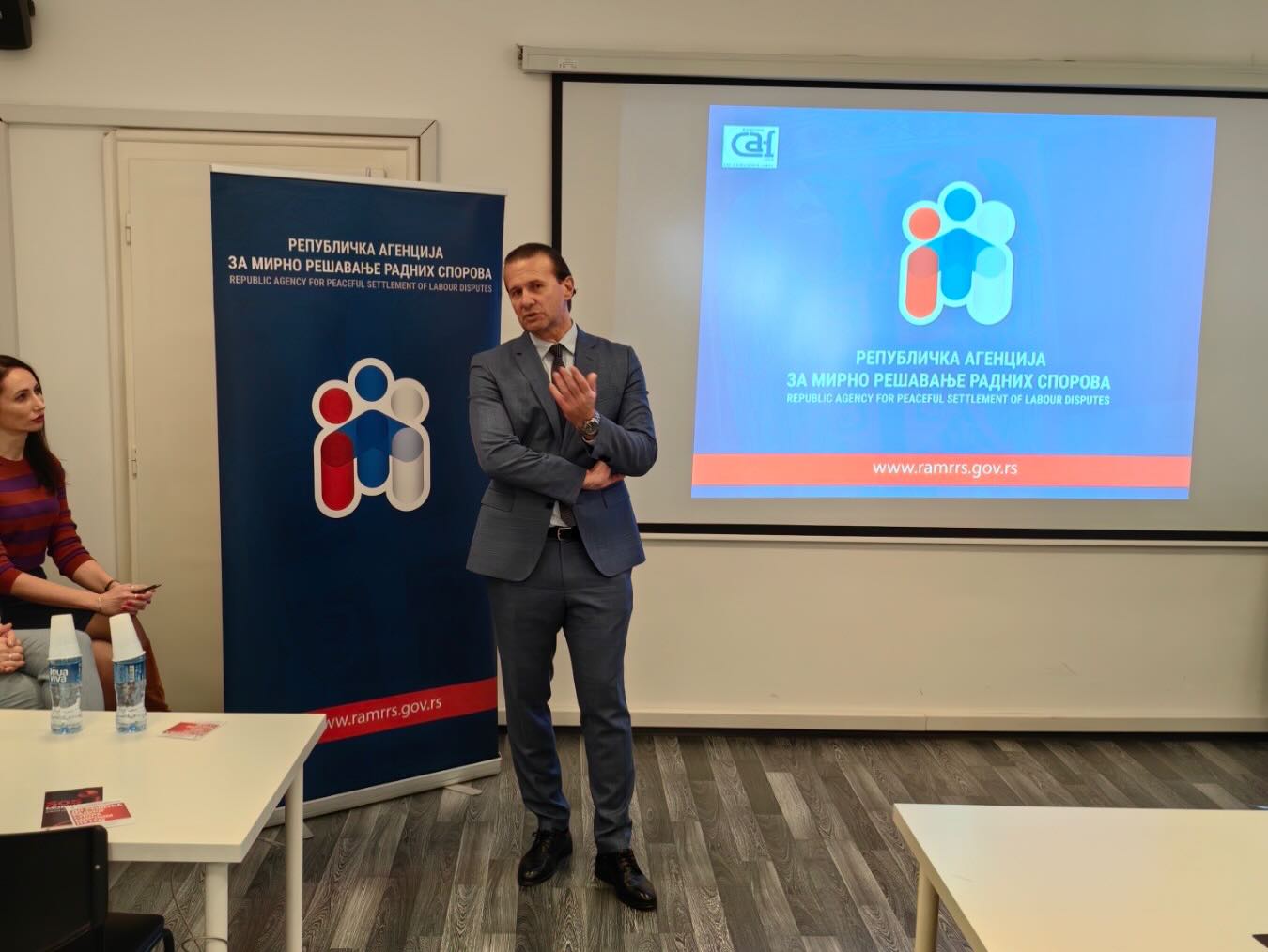
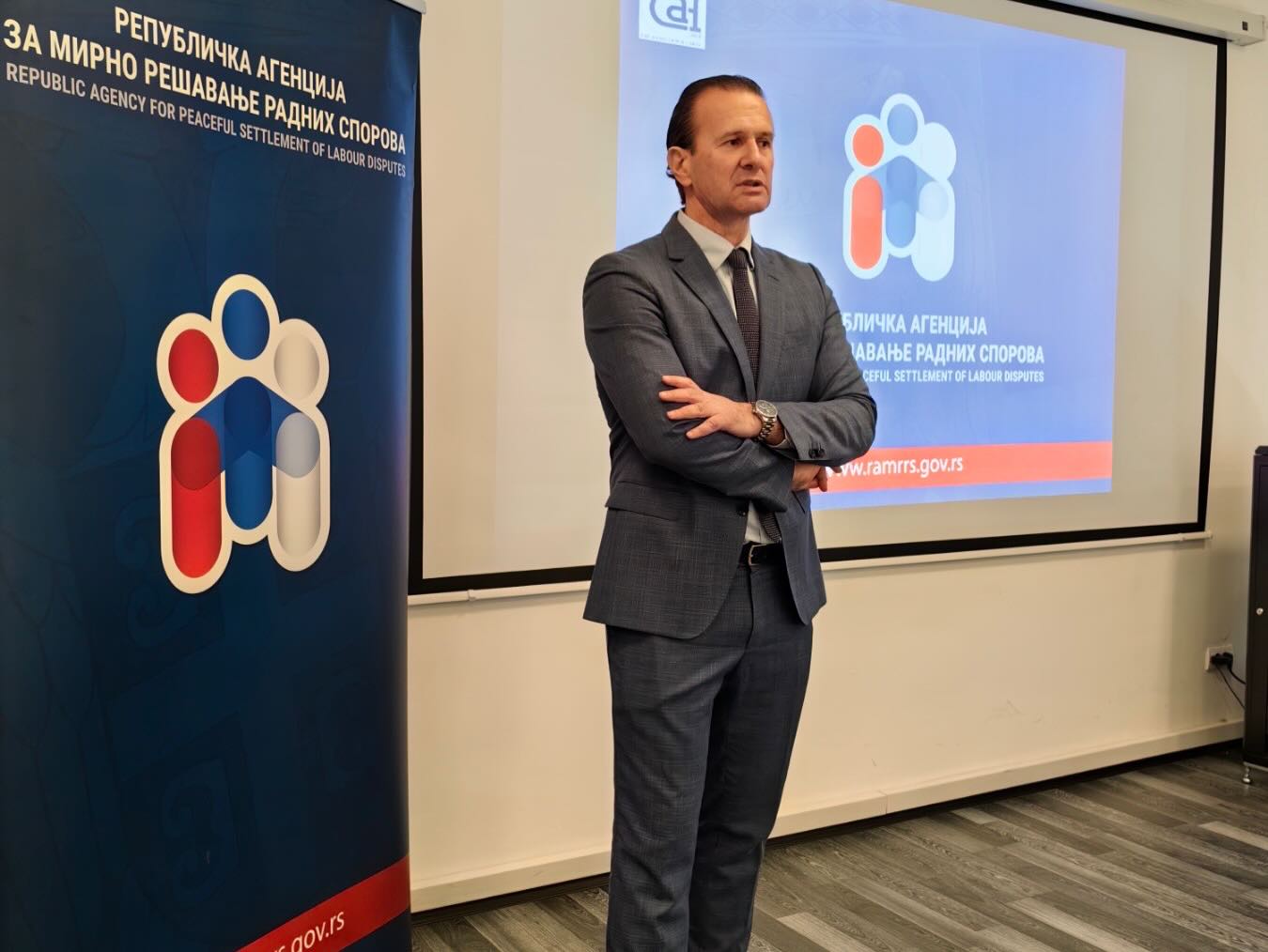
The event was opened by the Director of the Agency, Dr. Ivica Lazović, who emphasized the importance of the long-standing cooperation with the Faculty of Law, as well as the role of the Agency in bringing the institute of the peaceful settlement of labor disputes closer to future legal professionals. He underlined that the Agency is open to students who wish to become directly acquainted with the work of this institution through professional and scientific papers, as well as through internships. On that occasion, he presented the development of the institute of the peaceful settlement of labor disputes in the Republic of Serbia, its place in contemporary legal systems, and the key results achieved by the Agency so far, with an overview of challenges and plans for the future.
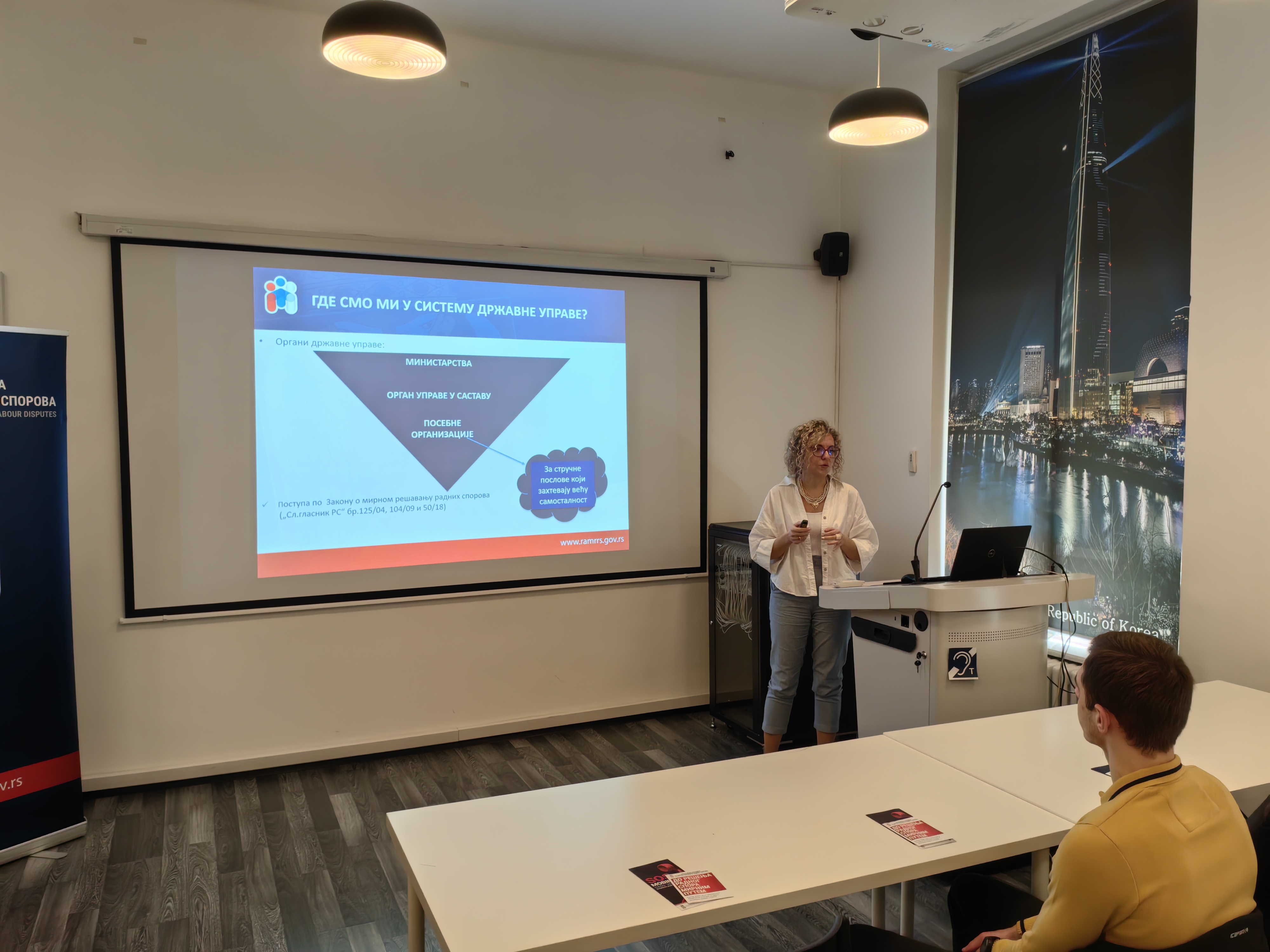
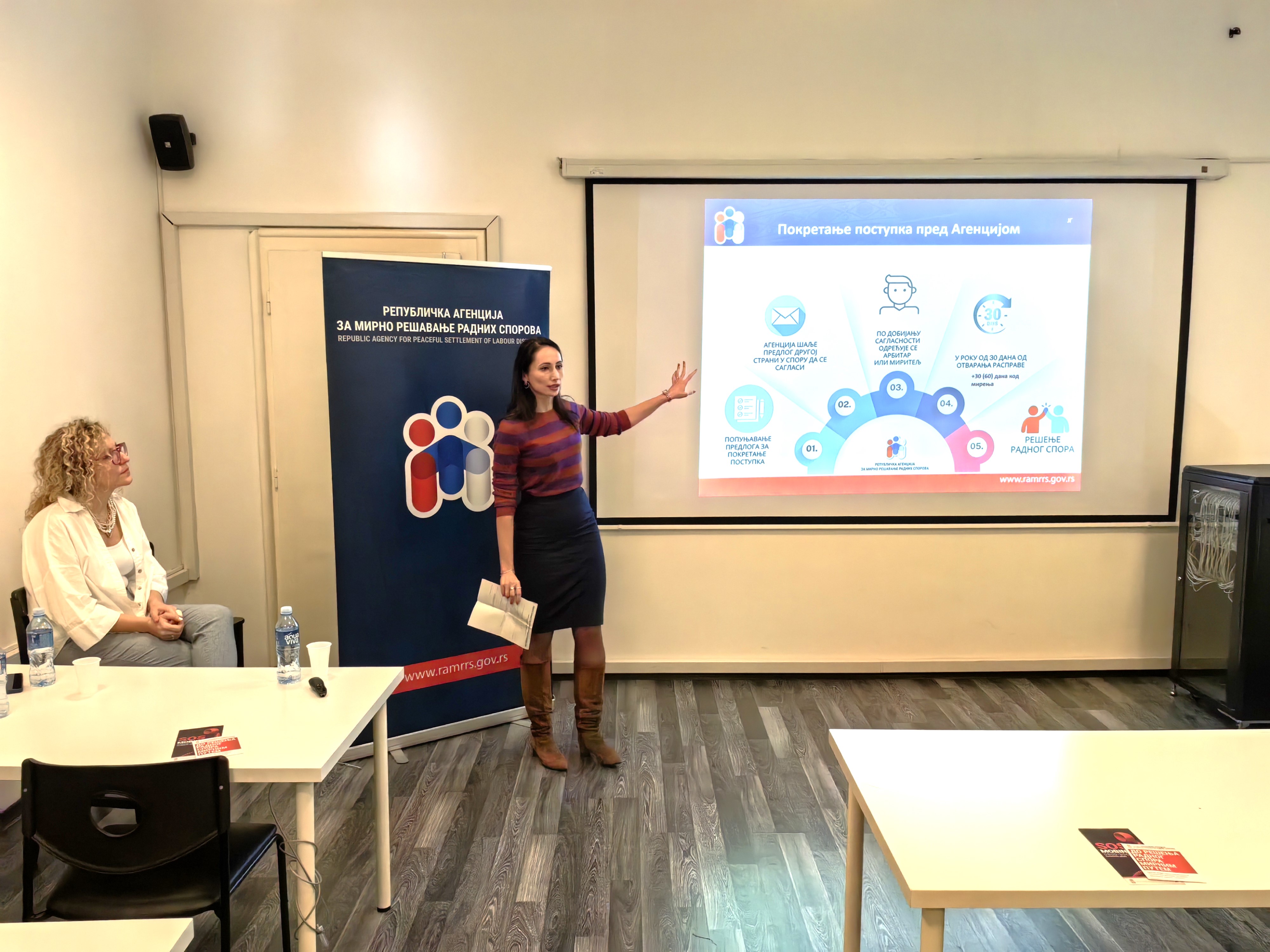
In the continuation of the program, Dragana Andonovska, Head of the Group for Legal and Professional Affairs, and Jelena Golubović, Advisor at the Agency, spoke about the Agency’s competences, fundamental principles and procedures, as well as statistical indicators and examples from its extensive practice. Special emphasis was placed on digitalization and digital transformation processes as an important step toward more efficient, accessible, and transparent resolution of labor disputes. Through concrete examples, it was demonstrated that even the most complex labor disputes can be successfully resolved through conciliation, provided there is willingness on the part of the parties to engage in dialogue and compromise.
The visit concluded with an open and interactive discussion with the students, who actively participated, asked questions, and shared their observations and views on the application of alternative methods for resolving labor disputes in the Republic of Serbia. This exchange of opinions once again confirmed the importance of linking theoretical knowledge with practical experience in the education of future legal professionals.